www.mashkl.com

Designing Spaces That Work with Interior Design and Build
12/22/20253 min read

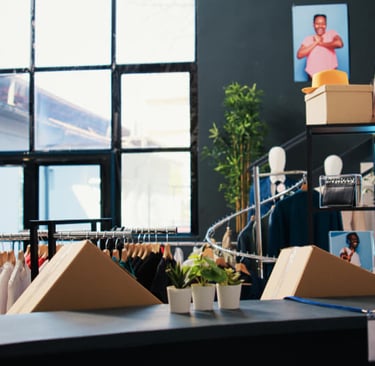
Every space has a purpose. A retail shop needs to attract customers, guide them through products, and encourage them to stay longer. A clinic, on the other hand, needs to be calm, reassuring, and functional under pressure. Although their purposes are different, both rely on thoughtful design to support the people who use them every day.
This is where good interior design and build quietly do their work. It balances aesthetics, functionality, and human experience to create environments that perform well in practice and are comfortable for everyone who uses the space.
Retail Design Is About Movement and Attention
In retail shop interior design, how people move through the space matters as much as how it looks. The entrance sets the tone. Displays and shelves influence browsing patterns. Lighting affects how products are perceived, and signage guides decisions.
A well-designed retail space does not overwhelm. It creates clear visual cues, comfortable spacing, and natural pauses where customers can focus. When the flow feels intuitive, people stay longer without even realizing why.
Retail design is intentional. Every detail, from the angle of shelves to the positioning of seating areas, influences how people engage with products. Even small design elements, such as flooring texture and lighting angles, impact the overall experience.
Retail spaces also need flexibility. Seasonal campaigns, product launches, or pop-up displays require layouts that can change without affecting the overall flow. Planning for this flexibility ensures the space remains functional and visually appealing for staff and customers.
Whether you are opening a new shop or updating an existing one, thoughtful design helps turn casual visitors into engaged customers.
Clinics Require a Different Kind of Sensitivity
Clinic interior design operates on a different emotional level. Patients often arrive anxious, unwell, or uncertain. The space needs to respond to these feelings quietly and respectfully.
Soft lighting, clear wayfinding, comfortable seating, and efficient staff zones contribute to a calming environment. In clinics, design is not just about aesthetics. It affects comfort, workflow, and the overall experience for both patients and staff.
A well-planned clinic allows patients and staff to move through the space with less friction. Consultation rooms need to be functional and private. Waiting areas should feel calm and welcoming without being isolating. Staff zones must support efficiency without creating noise or congestion.
Even subtle design choices, such as color palettes, natural light, and uncluttered spaces, improve satisfaction and reduce stress. Clinic interior design ensures patients feel supported and staff can work effectively.
Common Principles Between Retail and Clinic Design
Despite their different purposes, retail and clinic spaces share several important design principles. Both need clear circulation, practical layouts, durable materials, thoughtful lighting, and a balance between branding and usability.
Success in both types of spaces often comes from understanding daily behavior rather than chasing trends. Design that supports real use and is easy to navigate will age better than design that only looks visually impressive.
For example, signage and navigation are critical in both environments. Retail spaces need clear directions to featured products, while clinics need patients to locate waiting rooms, consultation areas, and exits without confusion. Material selection is also important for high-traffic areas to ensure durability and easy maintenance.
The Value of Local Design Understanding
Designing commercial spaces in Kuala Lumpur comes with specific considerations. Building layouts, regulations, climate, and how people interact with public spaces all affect design decisions.
Working with a studio like Mash KL allows businesses to collaborate with designers who understand the local context and translate these considerations into practical, functional spaces. Local expertise often makes the difference between a concept that looks good on paper and a space that works efficiently every day.
Designers with knowledge of local materials, climate considerations, and building regulations help ensure projects are completed efficiently and remain comfortable and easy to maintain over time.
Designing for Longevity
Retail shops and clinics are constantly evolving. Displays change, services expand, and teams grow. A space designed only for launch day may quickly feel outdated if it does not anticipate these changes.
Good design allows for flexibility. Layouts can be adapted, lighting can be adjusted, and furniture can be reconfigured without major renovations. This approach saves time and money, reduces disruption, and ensures the space continues to function well as requirements evolve.
Durable materials, adaptable layouts, and thoughtful detailing contribute to long-lasting functionality. Professional interior design and build ensures these long-term considerations are applied from the planning stages to final execution.
Final Thoughts
Retail shop interior design and clinic interior design may serve different purposes, but both succeed when they prioritize people.
A space that is easy to navigate, comfortable to stay in, and aligned with its purpose allows design to fade into the background. Thoughtful, well-executed interior design supports staff, customers, and patients naturally, improving comfort, efficiency, and satisfaction.
Understanding how people interact with the environment and planning for real-world use is key to creating spaces that function well and remain relevant over time.
Ready to Create Spaces That Truly Work?
Whether you are planning a retail store, a clinic, or another commercial space, professional designers can ensure your space is functional, beautiful, and future-ready.
Contact Mash KL today for a consultation and a tailored interior design and build plan. Let us help you create a space that works smarter, feels better, and grows with your business.