www.mashkl.com

Transforming Spaces with Retail Shop Interior Design
3/17/20263 min read
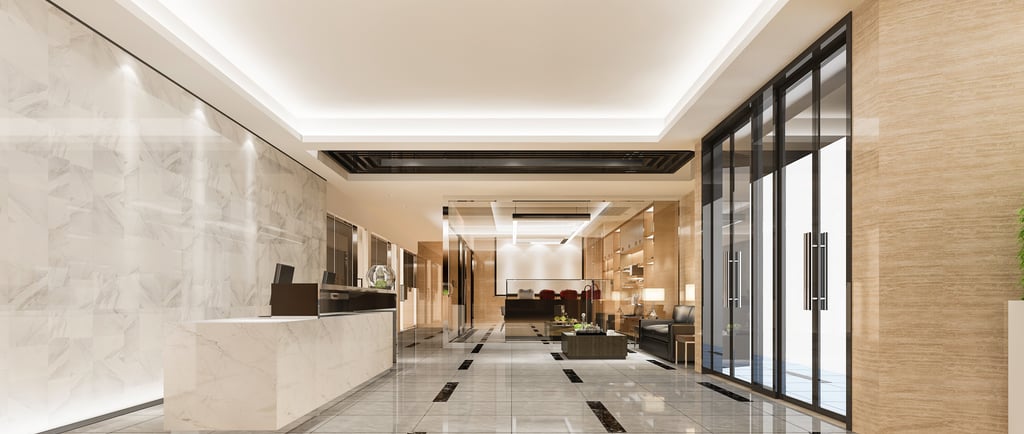
Every retail store has a purpose beyond simply displaying products. A well-designed space can attract customers, guide them naturally through merchandise, and encourage them to stay longer. At the same time, it reflects the personality of the brand. Achieving this balance takes careful planning and understanding of how people move and behave in a store.
Designing the interior of a retail space is more than just making it look good. It combines practicality, customer experience, and brand identity. Every decision about lighting, layout, materials, and displays influences how visitors feel and interact with the store. A successful design helps customers feel comfortable and makes shopping easier while supporting the goals of the business.
Creating Flow and Movement
One of the main goals of retail interior design is guiding the movement of customers. The layout should allow people to explore the store naturally and find key products without feeling forced. Entrances, displays, and pathways must be placed carefully to create a smooth journey through the space.
Lighting is an important part of this experience. Well-placed lighting highlights products, creates focal points, and sets the mood. Subtle elements like floor patterns or the arrangement of shelves can encourage customers to explore while keeping the environment calm and easy to navigate.
Good design also avoids congestion. Narrow aisles or crowded displays can frustrate visitors. A well-planned layout ensures people can move freely, stop at products of interest, and enjoy their time in the store without feeling rushed.
Balancing Functionality and Brand Identity
Every retail space should reflect the brand clearly. Color choices, materials, and finishes should match the brand’s image and at the same time be durable for daily use. Surfaces need to last, floors should be easy to maintain, and layouts should make operations easier for staff.
At the same time, the store should feel unique and memorable. Display arrangements, lighting, and seating areas create experiences that customers remember. The right balance of aesthetics and practicality makes the store appealing without making operations difficult.
Design also depends on understanding the target audience. A boutique, a tech store, and a casual clothing outlet all have different needs for lighting, displays, and circulation. Designing with the customer in mind ensures the space is inviting and supports the brand story.
Focusing on Customer Experience
Retail shop interior design considers how customers feel in the space. The store should feel welcoming the moment someone enters. Comfortable spacing, uncluttered displays, and easy access to products make shopping more enjoyable.
Signage and layout help people find what they need. Other factors such as music, scents, and seating areas also contribute to the overall atmosphere. All of these small details affect how long customers stay and how satisfied they feel with their visit.
Even simple features can make a difference. Mirrors can make a space feel larger, color can guide customers to promotions, and thoughtful floor patterns can highlight key areas. Interior design for retail spaces is about creating a journey that feels natural and engaging for customers.
Designing for Flexibility and Longevity
Retail spaces are constantly changing. Product lines shift, seasonal campaigns require updates, and customer habits evolve. A well-designed store anticipates these changes. Flexible shelves, movable displays, and adjustable lighting help the space remain relevant and functional over time.
Retail interior design that plans for future changes reduces the need for frequent renovations. Flexible spaces allow businesses to adapt quickly while keeping the store attractive and organized. This ensures that the space continues to support both the brand and customer needs for many years.
Final Thoughts
Interior design for retail spaces is about more than just appearance. It is the combination of aesthetics, function, and customer psychology. Every detail, from lighting and layout to materials and signage, affects how visitors interact with the space. The most effective retail environments are those that feel natural, welcoming, and memorable while also supporting the practical needs of the business.
A thoughtfully designed store can enhance customer experience, improve staff efficiency, and strengthen brand perception. When professionals plan the space carefully, it becomes easier for visitors to explore, find products, and enjoy their time, which can lead to better sales and stronger loyalty.
Whether opening a new store or updating an existing one, working with experienced designers ensures that the space is functional, beautiful, and future-ready.
Contact Mash KL today for a consultation and a tailored retail interior design plan. Let us help you create a space that attracts customers, supports your business, and grows with you over time.