www.mashkl.com

When Interior Renovators Shape Better Commercial Spaces
12/22/20254 min read
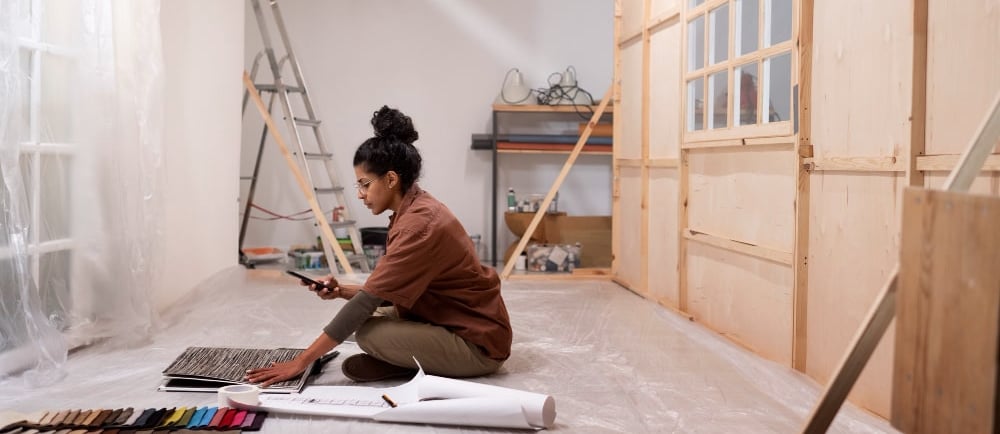
Commercial spaces rarely stay the same forever. Businesses grow, teams change, and what once worked can slowly start to feel limiting. Sometimes it is obvious, like cramped layouts, outdated finishes, or inefficient flow. Other times it is more subtle, with the space no longer supporting the way people work.
This is where experienced interior renovators play a vital role in thoughtful commercial interior design. Renovation is not just about changing colors or replacing furniture. It is about creating an environment that helps employees do their best work, makes clients feel welcome, and reflects the business brand in every detail.
Renovation Should Focus on Function
In commercial environments, design decisions have a direct impact on daily operations. A poorly planned layout can reduce productivity, while inadequate lighting or poor acoustics can affect staff performance. Circulation that confuses employees and visitors alike can create frustration and disrupt workflow.
Good interior renovators begin by understanding how the space is used every day. They look at how people move through the area, where bottlenecks occur, and which zones are underused. This ensures that the design supports work instead of getting in the way. Even small improvements, such as rearranging workstations, adding better storage, or improving lighting, can make a big difference over time.
For example, some offices discover that conference rooms are often empty, while employees crowd smaller informal spaces. By studying how staff interact with the environment, interior renovators can reorganize spaces to better meet practical needs, improve collaboration, and reduce wasted space.
Listening Before Designing
One of the main differences between a smooth renovation and a stressful one is communication. Interior renovators who take the time to listen carefully to staff, managers, and business owners uncover issues that are not obvious from floor plans.
For example, employees may feel disconnected from collaborative areas, certain zones may never get used, or noise may make concentration difficult. By understanding these challenges, interior renovators can design solutions that address real problems rather than introducing new ones. Every change is purposeful and supports the way the business operates.
This process often involves workshops or meetings with employees from different departments. Their feedback can highlight small frustrations that accumulate over time but are easy to overlook. Solving these small pain points can improve morale, reduce stress, and create a more productive environment.
Balancing Brand Identity with Practicality
Commercial spaces carry a lot of responsibility. Offices, clinics, retail stores, and showrooms all send messages about the business before anyone says a word. Effective commercial interior design balances visual identity with practicality. Materials need to last, layouts should allow flexibility, and maintenance must be manageable.
A space that looks beautiful but is difficult to use or maintain can quickly become a burden. Interior renovators who understand this balance create spaces that are both functional and visually appealing.
For example, a retail store benefits from layouts that guide customers naturally, highlight products effectively, and make the space inviting. An office benefits from collaborative areas, quiet pods, and natural lighting to support focus and creativity. Clinics and healthcare facilities can improve patient flow and comfort, while showrooms can display products in ways that make the most impact.
Successful commercial interior design achieves these goals while reflecting the company’s brand. Colors, textures, and layout choices can reinforce the values and image of the business, creating a cohesive environment that resonates with both employees and visitors.
The Importance of Local Knowledge
Renovating commercial spaces in Kuala Lumpur comes with unique challenges. Local regulations, construction practices, climate, and cultural preferences all influence how a project should be planned and executed.
Working with local interior renovators ensures the process is smoother, faster, and more efficient. They understand the local building codes, can recommend contractors or suppliers who deliver quality work, and anticipate potential delays. This local expertise also helps in selecting materials suitable for the climate, reducing long-term maintenance needs.
A professional renovation team will also manage permits and inspections, making the process less stressful for business owners. Their experience allows for realistic timelines and minimal disruption to daily operations, which is especially important for busy offices or retail locations.
Professional interior renovators bring more than technical skills. They provide guidance on layout, workflow, and aesthetics to create spaces that are functional, welcoming, and future-ready. Their expertise ensures that every aspect of the renovation aligns with the business’s goals and supports long-term growth.
Renovation as a Long-Term Investment
A well-planned renovation does more than improve appearance. It can enhance staff comfort, strengthen customer experience, streamline operations, and even increase property value. Over time, these benefits add up, making commercial interior design a strategic investment rather than a one-time expense.
Interior renovators who focus on long-term solutions avoid short-lived trends and create spaces that continue to meet business needs as they evolve. Durable materials, flexible layouts, and thoughtful workflow design ensure the space remains functional and relevant for years.
Employees benefit from spaces designed to meet their needs, while customers feel welcomed in environments that reflect professionalism and attention to detail. This long-term perspective helps businesses save on future renovation costs and avoids the need for constant updates or fixes.
Examples of Effective Commercial Interior Design
Good design can improve spaces in many ways. Offices can include quiet zones, collaborative areas, and natural light to support productivity and creativity. Retail stores can benefit from layouts that encourage exploration and highlight products effectively. Clinics and healthcare facilities can improve patient comfort and flow through thoughtful planning. Showrooms can showcase products with lighting, placement, and adaptable displays.
These examples show that interior renovators combine practical knowledge with design creativity to create spaces that work well and feel welcoming. Their expertise ensures that every design decision has a purpose, whether it is improving workflow, enhancing comfort, or reflecting the brand.
Final Thoughts
Commercial renovation is not about starting over. It is about improving and refining what already exists to make it more effective and enjoyable to use. When interior renovators approach commercial interior design with practical thinking and empathy, the result is a space that supports people naturally and consistently.
Renovation becomes less about disruption and more about progress, improving the work environment while leaving a lasting impression on clients and staff alike.
Ready to Transform Your Commercial Space?
Whether planning a full renovation or looking for expert guidance on improving workflow and design, professional interior renovators can bring your vision to life.
Contact Mash KL today for a consultation and a tailored interior design plan. Let us help you create a workspace that works smarter, feels better, and reflects your brand.